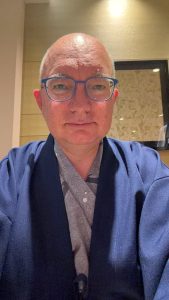
Between 25th September and the 16th October I had a solo trip to Japan. I went to the three main islands (Hokkaido, Honshu, and Kyushu) and to many places inbetween.
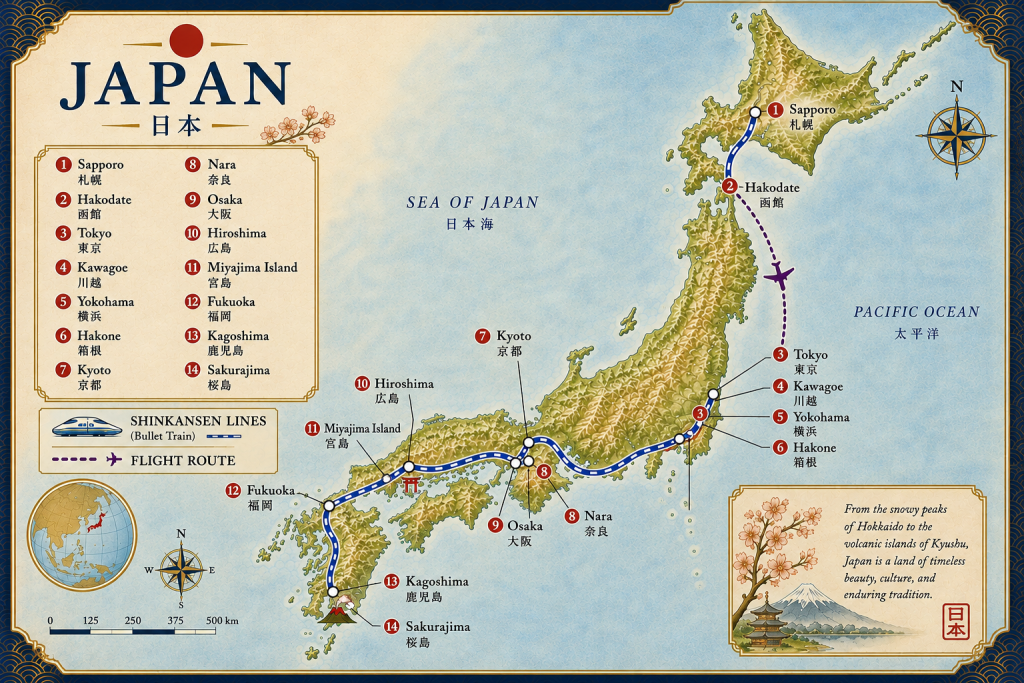
I flew from London Heathrow (Friday 25th) to Tokyo Haneda (arriving Saturday 26th), travelling across Europe, Central Asia, China, Korea, and then took an internal flight to Sapporo (Chitose). 24hrs of travel from the time I left to the time I got to my first hotel.
I had three nights in Sapporo. Took a Shinkansen bullet train to Hakodate for two nights. Took an internal flight from Hakodate to Tokyo Haneda. I had four nights in Tokyo where I also visited Kawagoe and Yokohama. Then it was two nights in the mountains of Hakone which you get to via the second steepest train the in world. Kyoto for three nights where I also went south on a day trip to Nara. After that two nights in Osaka followed by one night in Hiroshima, one on Miyajima island, then down to Fukuoka for the last two nights, which included a day trip on the last of eight Shinkansen journeys to Kagoshima, and the return ferry to Sakurajima to look at Japan’s most active volcano.
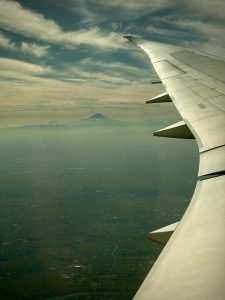
Then it was another 24-hrs of travelling back to the UK. Taxi to Fukuoka airport at 7am, flight to Haneda at 9am, flight to London Heathrow at 1pm; finally getting home after the taxi from Heathrow at 10pm UK time on the 16th October. On the way back the aircraft flew along the Japan and Russia coasts, over Alaska and Canada, crossing Greenland and Iceland, and back over the UK. This was the picture I took as the plane left Japanese airspace with my last view of Mt Fuji (Fuji-san – 富士山):
Would I go back to Japan?
There was so much to do. So much to see. So much more I could have seen but did not have the time. The places I chose were what most people would consider as most frequently visited by tourists. However, there is the whole northern half of Honshu to visit with places like Nagano, Toyama, Niigata, Akita, and Aomori (where in winter they get 8 meters of snow a year!) On Kyushu I could have added Beppu, Oita, Miyazaki, and Nagasaki. I didn’t even set foot on the fourth island, Shikoku or any of the tropical southern islands that include Okinawa and knock on the door of neighbouring Taiwan.
I would love to go back but it would be a lot of planning with more time spent travelling between places as the Shinkansens don’t go to the places that I’ve just mentioned which means you might spend a whole day getting between places not just the half day that I experienced during my trip. I would gladly visit Tokyo and Kyoto again and then have to think most carefully about where, and how long, to spend in any of the other places I have not yet seen.
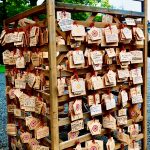
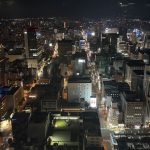
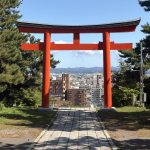
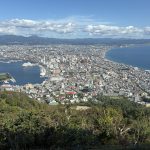
Sapporo & Hakodate (Hokkaido)
These are relatively new (19th century onwards) developments which sprung up as the last of Japan to be opened to the influences of the west. There’s lots of places that look like colonial America (well it was built by them in the majority of cases) interspersed with later 20th and 21st century developments.
Tokyo, Kawagoe, and Yokohama (Honshu)
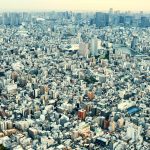
I liked Tokyo. But you never quite get the scale of the place until you get up high. From the Tokyo skytree you can have a 360 view of the city. It is totally packed in every direction for as far as the eye, and camera, can see. You could spend months here ant not see half of it. I would suggest that many locals have not either. How many Londoners can say that they’ve see *all* of London…very few.
Kawagoe, is one of the oldest areas, a short trip from Tokyo, dating back to well before the Edo period (1603-1867). Edo was made the the capital of Japan by the Shōgun Tokugawa Ieyasu and only at the end of this period did Edo become Tokyo. Kawagoe shows you a glimpse of what Edo once was.
Yokohama is the second largest city by population and is just half an hour south of Tokyo. It’s a major international port. There was an Oktoberfest going the day I was there. Beer is a big thing in Japan.
Hakone, Lake Ashi and views of Mt. Fuji (Honshu)
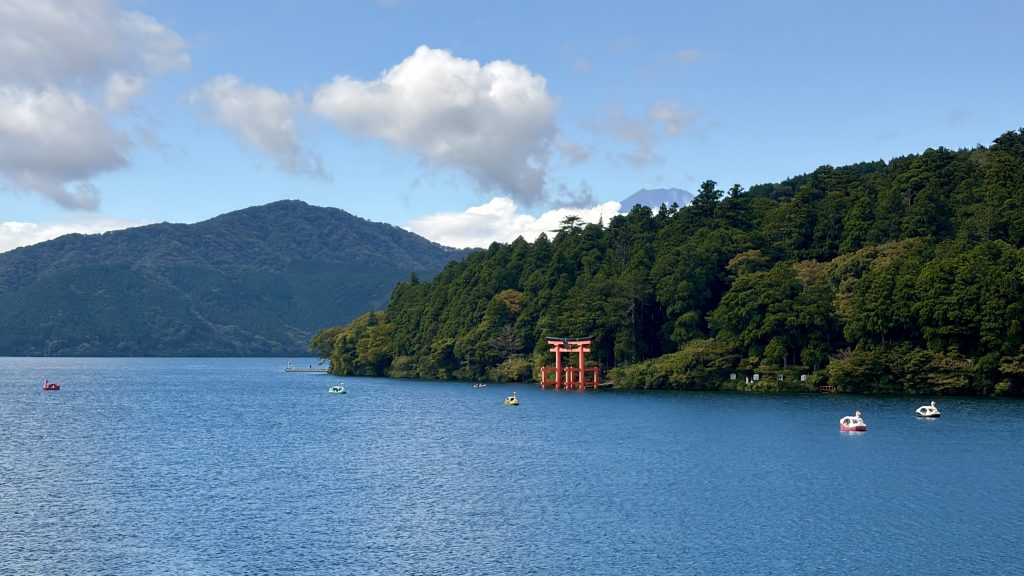
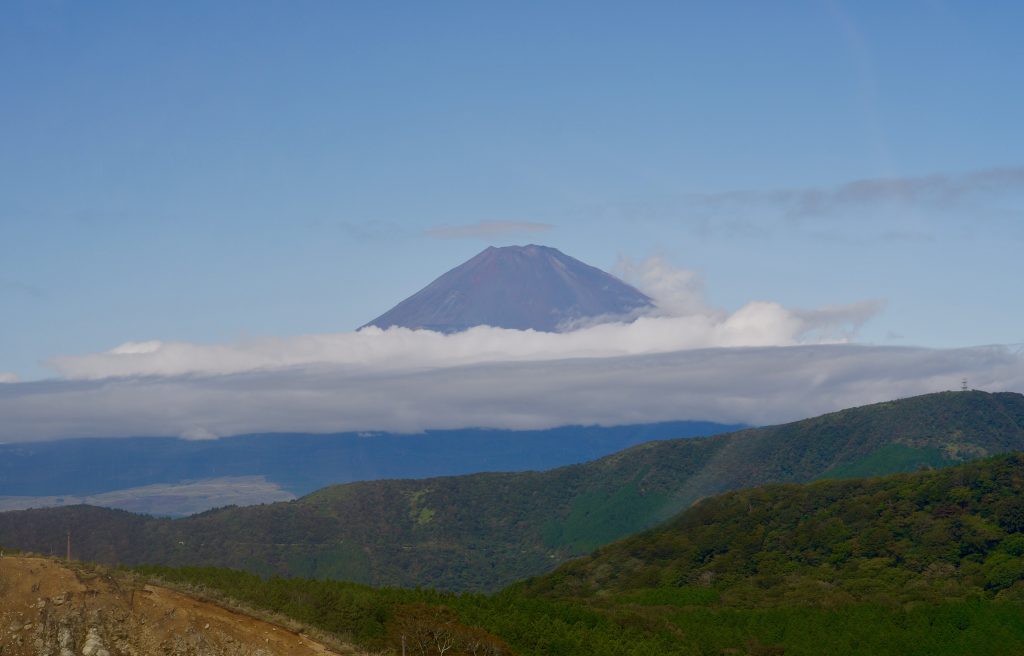
To get to Hakone you go from Tokyo to Odawara. Swap to a local train to Hakone. Then it’s the mountain train to Gora. From Gora, some 541m higher up than when you started, you can get the cable car and the ropeway to get to the Owakudani volcanic steam vent and nature reserve and then head down the other side of the volcano (last erupted in 2025) to Lake Ashi. If you have a Hakone Free Pass then all forms of transport, cable car, ropeway, bus, boat and ferry, are open to you. I managed to get this picture from the pirate galleon looking towards the Hakone Shrine with Mount Fuji peeking over the hills in the background.
The weather was on my side this day as the day before it had been low cloud and drizzle and you could not see more than 50 meters at the top of the ropeway. The memory of the cable car wires disappearing into a white wall as we broched the mountain top remains disturbing.
Kyoto, Adashino Nenbutsuji Temple, and Nara (Honshu)
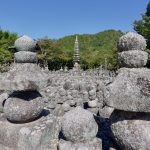
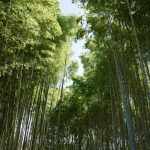
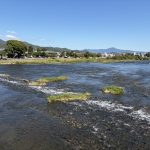
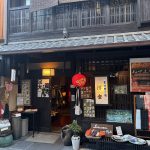
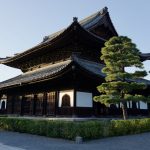
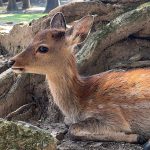
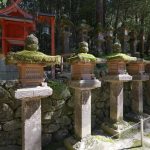
Kyoto is another of those places where you could spend many more days than you had available. I had a walk-about tour of Gion to spot the Maiko and Geiko. I had a day trip out to Adashino to avoid the crowds of Arashiyama. Took a day visit to Nara, starting at the Kasugataisha Shrine and working back to the town. And the deer park is just a small part of that city that was the capital of Japan in the 8th century.
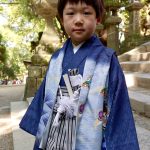
At Nara, as I observed at other shrines, there were families having formal pictures taken of their children. For boys at ages 3- and 5-years, and for girls at 5- and 7-years, there is a formal visit to a shrine to pray for, or to celebrate the growth, health and well-being of young children (its called “Shichi-go-san” which literally means “3-5-7”). I asked, and was allowed, to take a photo of the young lad below. Unfortunately I never got any contact details to send him, or his parents or grandparents, a copy of the photo. Should anyone be able to identify him, please contact me.
Osaka, Hiroshima, and Miyajima (Honshu)
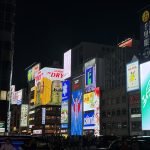
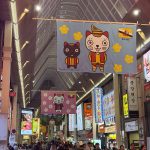
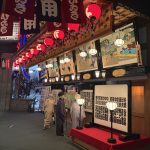
Osaka describes itself as the “Manchester of Japan” or the “Manchester of the East”; depending on your point of view this is either a good thing or not. Where I stayed was just a 5-minute walk from Dotonbori which is a massive tourist spot (or trap!) and where countless hordes jostle to get a selfie with the running man display amongst other attractions.
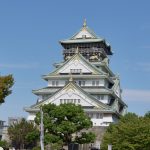
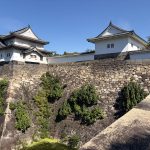
For me, as you may have guessed, I prefer the cultural aspects, so it was a trip to Osaka Castle and the Osaka History Museum for me and also a visit to the Sakai area, a placed certified by 17th century Shōguns as the best place for knives and swords, to make my own kitchen knife.
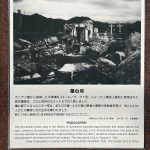
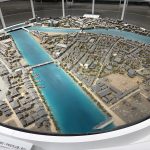
Hiroshima is an awesome place but for horrifingly different reasons. You cannot be unmoved when standing at ground zero of the explosion of the first atomic bomb and see the remains of one of just a handful of buildings that survived the blast. The memorial is something you must see at least once. Hiroshima has other places to visit as well and I went to Hiroshima Castle which you can see but no longer enter as it’s now under a preservation order.
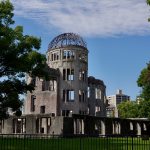
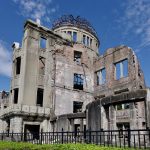
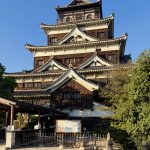
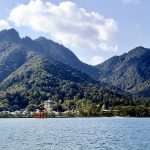
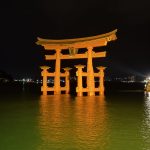
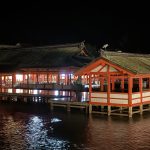
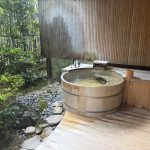
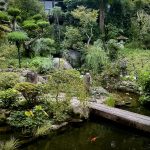
Miyajima island, which can be accessed via ferry from the pier opposite the Hiroshima memorial park, or a ferry from the Miyajimaguchi train station, is another little treat. It’s famous for the shrine that stands out in the bay and that you can squelch through the mud to see it at low tide. The Grand Hotel Miyajima was one of the two hotels from the nine that I stayed in during the trip, where I had my own private onsen and where there was a garden for the guests for quiet contemplation. Hotel rooms in Japan are significantly smaller than their western equivalent so be aware. No cats were able to be swung in the other seven hotel rooms, none of which were singles but standard doubles.
Fukuoka, Kagoshima, and Sakurajima (Kyushu)
This was the last leg of my journey of Japan from top to bottom. The good weather had come with me and improved the further south I went. Fukuoka is famous for its night-time food stalls which seat about 6-8 people and serve all kinds of foods as self contained little portable restaurants. It’s also a good base to visit other places and I chose to visit Kagoshima and Sakurajima.
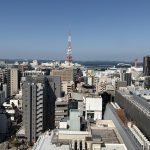
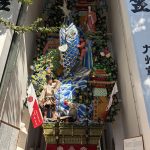
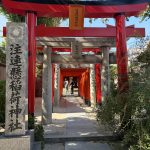
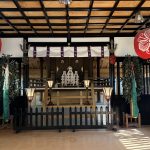
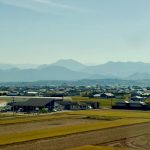
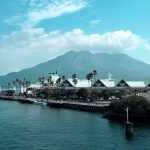
Kagoshima is another Shinkansen journey to the bottom of Kyushu island. Then it’s an easy ferry to Sakurajima island to see the volcano. If you go to the tourist information centre when you get out of Kagoshima station you can get a day-pass which allows you to jump on and off the local and tour buses in Kagoshima, gives you return ferry rides to Sakurajima, and bus access around the island. It was 1,400 yen which was just £7. That is super cheap so definitely do this.
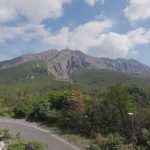
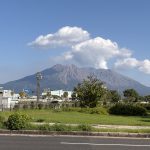
The volcano was not erupting, merely giving off heat and generating clouds, but did erupt two days after I left. The locals are so non-plussed by the whole thing that they have an additional waste/recycling bin just for volcanic ash. There’s a McDonalds just across the bay where you can eat fast food and watch the volcano do it’s thing. Surreal.
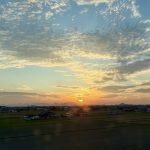
This was probably, but not certainly, a once in a lifetime journey. I do not regret any part of it. It was outlined and structure well by myself (and the details and logistics completed by Sally & Catherine from My Travel Councellors, and their partners Inside Japan) and I knew what I wanted to do, where I wanted to go, and what as a minimum I wanted to see, but also what my limitations were.
Food
Food could have been a challenge as I’m a fussy eater, and probably have a poorly balanced diet by normal UK standards, but there are so many restaurants in Japan to choose from that it was not a problem. Noodles abound but I seem unable to eat the delicious strings without splattering any shirt I happen to be wearing. Rice is the main staple and usually eaten with minimal additional flavourings as each type of rice has it’s own flavour. Detecting this was beyond me.
Pizza in Japan is a big thing as well. Indian, Thai, Korean, and Chinese cuisine is also there. For those that do the fast-food thing there are McDonalds (Makudo or Makku depending on where you are), Burger King, and KFC. Japanese KFC, based on the experience of my poor taste buds, is 100% identical to original recipe KFC back in the UK. Nowhere provides additional salt for your fries. They’ve been salted by the chef and asking for salt gets you hard stares and reminders that this has already been done in a “do not ask again” tone of voice. Think asking for pineapple on pizza in Italy or asking for ketchup with your steak in France and you’ll get the idea. Just more polite and with less gesticulation and swearing.
However a word of caution for the vegetarians and an outright warning for the vegans. Japanese people are rarely either. Stocks and sauces for soups and noodles usually have a meat or fish base and dedicated restaurants for vegans are rarer than vegetarian resturants and those are not abundant. This is in the big cities. Go outside these dense population centres to smaller towns or villages and you will not find any dietary accomodation in your favor. The local stores (or combini) are not going to be your salvation either. As a carnivore this was not my challenge. Avoiding veggies, and the strange attaction to boiled eggs on things, was mine.
One of the most surprising meals, or one of the surprising courses, was a beef sukiyaki hot-pot for one. This was set to cooking in front of me while earlier courses were tasted, and it was yummy. It had such an umami flavour that I couldn’t get enough. I had to ask what the broth/stock was made from only to be told that it was a kelp base. Yes, kelp. As in seaweed. I’d never have known.
Yet all this food, the tens of thousands of steps I walked most days, combined with not eating much at breakfast (which is another gastronomic experience that has a binary acceptance by westerners), resulted in losing 1.75kg of weight by the time I returned home. One of my guides, who usualy leads hiking tours within Japan, and who regularly does 25k steps and more daily, said that in most cases people will overall gain weight from a visit to Japan.
Final words
If you have the urge to visit Japan…just do it. You need a minimum of two weeks to do any of it justice. Think carefully about the temperatures and weather you prefer or can tolerate. Given the lattitude of the islands, Winter the south is temperate and the north is cold and snowy. In the Summer the north is pleasantly warm but the south is hot and very humid (Rainy season in July/August). Spring and Autumn strike a better balance but Spring (it being cherry blossom [sakura] season, among others) tends to be one of the more crowded times. Early Autumn can be typhoon season for the southern half of Japan. The Okinawan islands are tropical all year but typhoons are common in August/September. Beware the various holiday weeks (golden week and silver week) where you’ll be competing with the locals for the holiday places and travel seats, and where prices may well be much higher as a result.
However, none of these things should stop you going to Japan. Just go. You can thank me later.